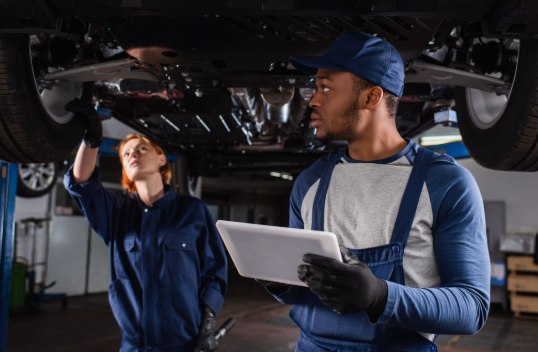
Planning a Labor Day road trip? Get brake repair and tire services in New Brunswick, NJ from Arnold's Auto Repair before you hit the highway this August.

Get your car back-to-school ready with trusted auto repair in New Brunswick, NJ. Arnold's Auto Repair offers oil changes, diagnostics, and more. Call today!
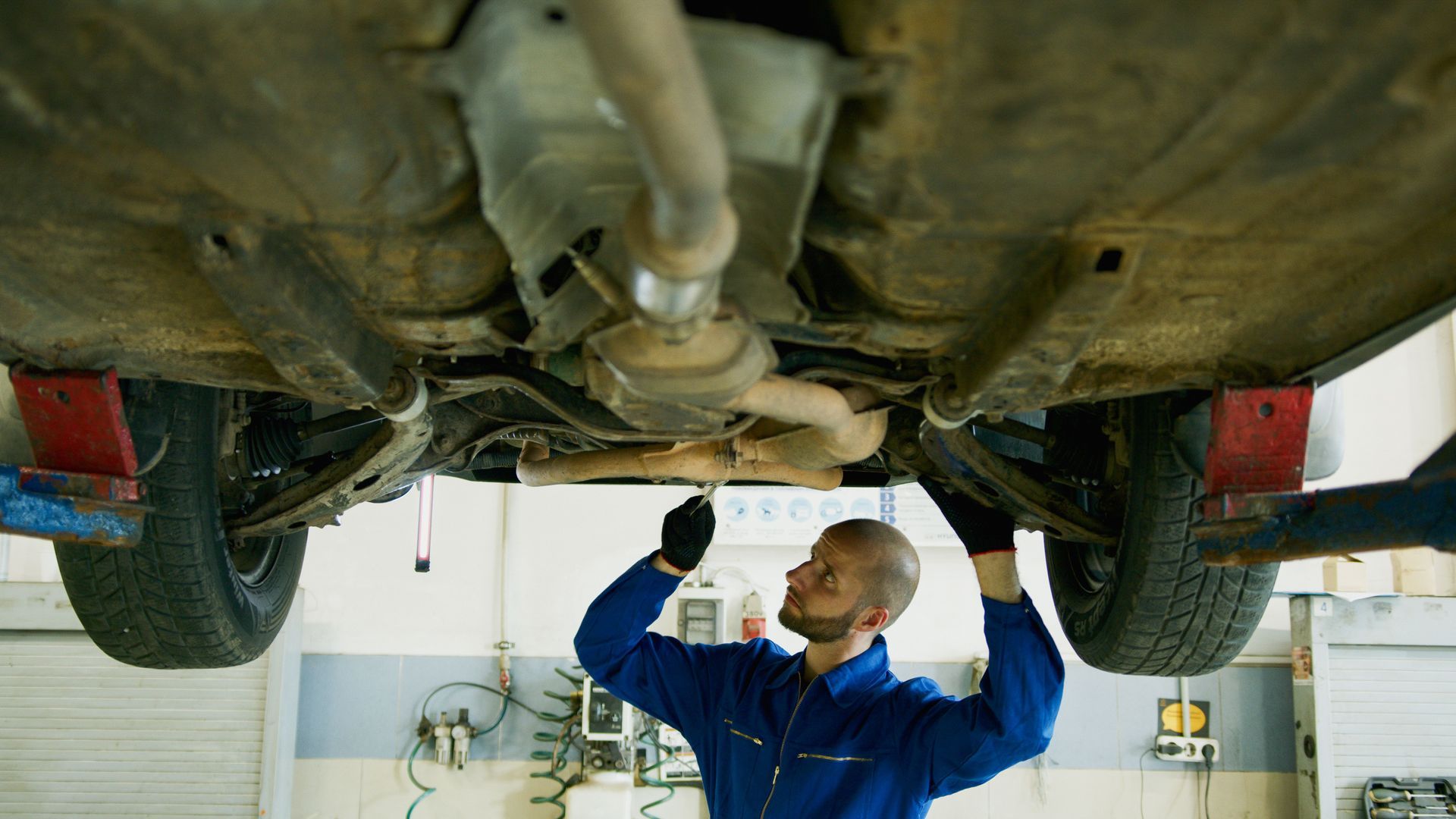
A healthy suspension system keeps your car tires flat on the road surface. Your chassis absorbs road impacts and preserves steering control during sudden turns. Routine inspections stop minor bushing tears from breaking major metallic linkages. Neglecting these items causes uneven tire wear and ruins ride quality. Why Your Car Needs Proper Suspension System Care Suspension components shield your vehicle cabin from heavy road vibrations. These parts manage the weight transfer of your automobile during acceleration and hard braking. Regular inspections maintain the correct geometric alignment of all four wheels. Local streets often develop deep potholes during cold winter months. Hitting a single deep crater bends steel control arms and cracks rubber seals. Damaged parts stop absorbing road bumps. The vibrations travel straight into your steering column. Ignoring early warning signs accelerates wear on your tires. You will spend more money on replacement sets. Loose components can detach completely while you travel at high speeds. Immediate care keeps your automobile tracking straight and preserves your steering control. Common Indicators of Damaged Shock Absorbers Bad shock absorbers cause your automobile to bounce repeatedly after hitting a bump. You might notice the nose of your car diving forward when you apply the brakes. Hydraulic fluid leaking down the side of the metal casing confirms internal seal failure. Shock units contain specialized oil that slows down spring movement. Internal piston valves wear out after thousands of miles of driving. The vehicle spring bounces without any dampening control. Your car feels unstable when you drive over highway bridges. You can test your shocks by pressing down hard on the front bumper. A healthy automobile returns to its original height immediately without extra motion. If the vehicle rocks back and forth three times, your shocks need replacement. New parts restore a smooth ride. How Uneven Tire Wear Explains Alignment Faults Tire tread wears down along the inner or outer edge when your wheels point in the wrong direction. Incorrect toe and camber angles scrub the rubber across the pavement. Regular checks fix these angles before they destroy your tire set. Misalignment occurs when suspension parts stretch or bend over time. The tires fight each other instead of rolling smoothly. You will feel the steering wheel pull toward one side of the road. Your hands must grip the wheel tightly to maintain a straight path. Check your tire tread depth at three different spots across the tire surface. A significant difference in thickness means your alignment requires professional adjustments. Technicians use laser systems to reset the angles back to factory specifications. This process saves your tread. What Happens to Struts Under Daily Commutes Struts support the physical weight of your vehicle chassis while dampening road harshness. These structural units connect the upper control arm directly to the main body frame. Worn internal components reduce your control during sharp highway maneuvers. Daily driving over rough railroad tracks stresses the upper strut mount bearings. You will hear a loud knocking sound when turning the steering wheel at low speeds. The rubber isolators dry out and crack, allowing metallic parts to rub together. Replacing a worn strut assembly restores your vehicle cornering balance. New assemblies prevent the body of your car from rolling excessively during tight turns. Technicians replace these components in pairs to keep your vehicle level uniform across the axle. The Impact of Bad Ball Joints on Steering Control Ball joints act as the pivot point between your steering knuckles and control arms. These spherical bearings allow your front wheels to turn left and right while moving up and down. A dry ball joint can snap without warning, causing the wheel to fold outward. A failing ball joint produces a distinct metallic clunking noise from the front axle. You will feel the steering wheel wander back and forth on flat highways. The internal grease escapes when the protective rubber boot tears open. Dirt enters the joint and grinds down the metal sphere. Mechanics check for play by lifting the vehicle and shaking the wheel vertically. Any shifting indicates a dangerous level of clearance inside the socket. Replacing the joint immediately restores tight steering response and avoids total mechanical breakdown. How Power Steering Fluid Keeps Steering Responsive Power steering fluid transfers hydraulic pressure from the pump to the steering gear assembly. This liquid lubricates the internal gears and prevents heat buildup during tight parking maneuvers. Dark fluid filled with metallic particles indicates component degradation. Low fluid levels cause the pump to whine loudly when you turn the steering wheel. The steering wheel becomes heavy and difficult to turn at low speeds. Small leaks often develop at the high-pressure hose connections. Fluid Color Check: Fresh fluid shows a bright pink or clear amber color. Leak Inspection: Puddles under the engine bay require immediate mechanical evaluation. System Flushing: Clean fluid removes abrasive deposits from internal rack seals. Replacing the old fluid prevents premature rack and pinion failure. Clean fluid maintains consistent hydraulic pressure across all operating temperatures. Regular fluid maintenance avoids expensive steering component replacements. Indicators of Bad Wheel Bearings in Your Vehicle A damaged wheel bearing creates a loud humming noise that matches the speed of your automobile. The sound grows louder when you change lanes or turn the vehicle slightly. Internal friction heats up the wheel hub and damages surrounding components. Wheel bearings allow your wheel assembly to spin freely with minimal friction. Water entry from deep puddles washes away the protective internal grease. The steel ball bearings grind against the outer race, creating heat. A loose bearing causes your brake pedal to feel spongy. The wheel hub wobbles slightly, pushing the brake pads away from the rotor. Mechanics test this by spinning the wheel while feeling the coil spring for vibrations. New bearings eliminate the noise and restore safety. Choosing Quality Replacement Parts for Your Steering Setup
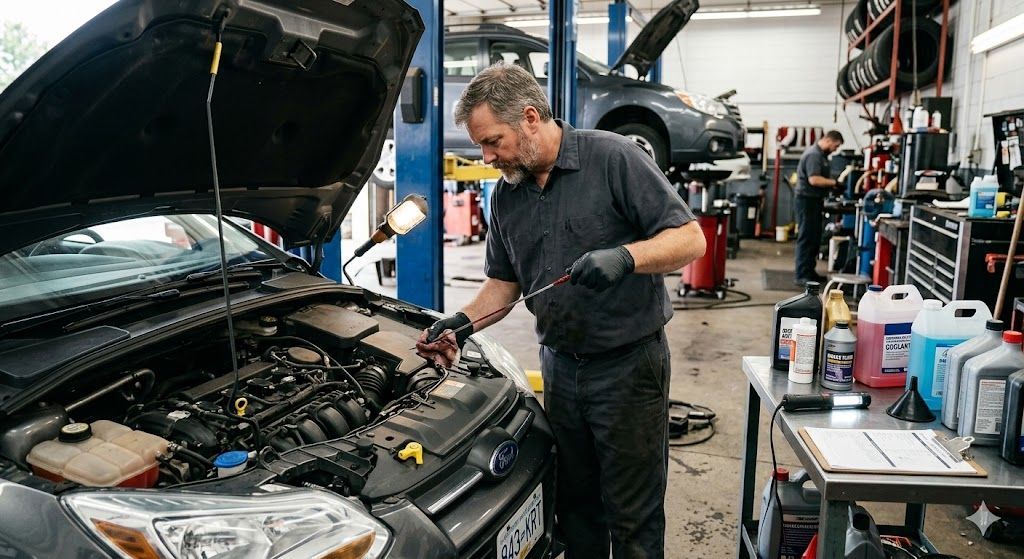
Most drivers know they need regular oil changes, but many overlook the other fluids that keep a vehicle safe and reliable. Brake fluid, coolant, transmission fluid, power steering fluid, and windshield washer fluid all play different roles in vehicle performance. Ignoring them can lead to overheating, brake failure, transmission damage, or expensive repairs that often start with small warning signs. In New Brunswick, New Jersey, changing weather, stop-and-go traffic, and short daily trips can place extra stress on vehicle systems. A complete fluid check helps catch problems early and keeps your car running smoothly between major maintenance visits. Why Are Fluid Checks Just as Important as Oil Changes? Oil protects the engine, but other fluids protect nearly every major system in your vehicle. A healthy engine still depends on proper cooling, braking, steering, and transmission performance. When one fluid becomes contaminated or too low, it can affect nearby components and create a chain reaction of repairs. Many modern vehicles also rely on sealed systems that drivers cannot easily inspect at home. That means small leaks or fluid breakdown may go unnoticed for months. Regular inspections at a repair shop help identify these issues before they turn into major mechanical failures. Another overlooked issue is fluid age. Some fluids may still appear full but lose their protective qualities over time. Heat, moisture, and debris slowly reduce effectiveness, even when the vehicle seems to drive normally. Which Vehicle Fluids Need Regular Attention? Every fluid in a vehicle has a specific job. Skipping inspections can shorten the life of expensive components and reduce overall safety. What Does Brake Fluid Actually Do? Brake fluid transfers force from the brake pedal to the braking system. Without proper pressure, your brakes cannot respond correctly. Moisture contamination is one of the biggest concerns because brake fluid naturally absorbs water over time. When moisture builds up, braking performance becomes less predictable. Drivers may notice a soft brake pedal, longer stopping distance, or reduced braking power during sudden stops. In severe cases, overheating can cause brake fade during heavy traffic or downhill driving. Many drivers replace brake pads regularly, but forget that old brake fluid can still damage the system internally. Why Is Coolant Important Year-Round? Coolant helps regulate engine temperature during both hot summers and freezing winters. It prevents overheating, corrosion, and freezing inside the engine and radiator. A common mistake is assuming coolant only matters during warm weather. In colder temperatures, weak coolant protection can crack components or strain the engine during startup. Rust-colored coolant, low coolant levels, or a sweet smell near the engine are all warning signs that should not be ignored. In areas like New Brunswick, where seasonal temperature swings are common, coolant condition becomes especially important for daily drivers. How Does Transmission Fluid Affect Driving? Transmission fluid lubricates moving parts and helps regulate heat inside the transmission system. Dirty or low transmission fluid can lead to slipping gears, delayed shifting, rough acceleration, or overheating. Transmission repairs are often among the most expensive vehicle repairs. One reason is that many drivers never check the fluid until problems become obvious. By then, internal wear may already be advanced. A burnt smell or dark-colored fluid usually signals overheating or contamination. These signs should be inspected quickly to avoid permanent damage. Does Power Steering Fluid Still Matter in Modern Cars? Yes. Many vehicles still rely on hydraulic steering systems or hybrid systems that use steering fluid. Low fluid levels can make steering harder and place extra strain on the steering pump. Whining noises while turning are one of the earliest warning signs. Drivers sometimes mistake this for a tire issue when the real problem is fluid loss or contamination. Ignoring steering fluid problems can eventually damage the pump, hoses, or steering rack. What Problems Can Happen When Fluid Checks Are Skipped? Small fluid problems rarely stay small for long. Many major repair bills begin with a slow leak, dirty fluid, or neglected maintenance interval. One of the biggest risks is hidden damage. Vehicles can continue driving normally even while internal parts wear down. By the time symptoms become obvious, repair costs often increase sharply. Overheating is another common issue linked to neglected fluids. Low coolant or contaminated transmission fluid can raise operating temperatures without triggering immediate dashboard warnings. Heat damages seals, hoses, gaskets, and internal components over time. Fluid neglect can also reduce fuel efficiency. When systems struggle to operate correctly, the engine and transmission work harder. Drivers may notice sluggish acceleration or reduced mileage without realizing that fluid condition is the root cause. Safety concerns are equally serious. Weak brake fluid or steering issues directly affect vehicle control. These problems may appear gradually, making them easy to ignore until emergency driving situations expose the danger. How Often Should Vehicle Fluids Be Checked? Most vehicles benefit from a fluid inspection during every oil change appointment. This allows technicians to spot leaks, discoloration, contamination, or unusual fluid loss early. That said, each fluid follows a different replacement schedule. Transmission fluid may last much longer than engine oil, while brake fluid often requires periodic flushing based on moisture levels rather than mileage alone. Driving habits also affect maintenance timing. Frequent short trips, towing, heavy traffic, and extreme weather can wear fluids down faster. Vehicles used mainly for city driving in New Brunswick often experience more heat buildup and stop-and-go strain than highway-driven vehicles. Drivers should also pay attention to warning signs between service visits, including: Burning smells Grinding or whining noises Dashboard warning lights Hard shifting Steering resistance Overheating Fluid spots under the vehicle Waiting for a major symptom usually means the issue has already progressed further than expected. Why Do Professional Fluid Inspections Matter More Than DIY Checks? Checking fluid levels at home can help, but it does not replace a full inspection. Professional technicians evaluate fluid condition, contamination, leaks, pressure issues, and wear patterns that are difficult to spot without training. For example, two vehicles may have similar coolant levels while one contains rust particles that signal internal corrosion. Transmission fluid may also appear acceptable at first glance, but still contain signs of overheating or clutch wear. Modern vehicles have also become more complex. Some transmissions no longer use traditional dipsticks, and certain fluid systems require specific temperatures or procedures for accurate measurements. Professional inspections also help identify leaks before they become severe. Small seepage around hoses, seals, or gaskets often goes unnoticed during casual checks but can develop into expensive repairs later. What Are the Most Common Fluid-Related Mistakes Drivers Make? Many vehicle owners unintentionally shorten the life of their cars through avoidable maintenance mistakes. Waiting for Warning Lights Dashboard warnings often appear after damage has already started. Fluid issues develop gradually, and many systems do not provide immediate alerts during early stages. Mixing Incorrect Fluids Different vehicles require specific fluid types. Using the wrong coolant or transmission fluid can damage seals and reduce performance. Even similar-looking fluids may contain different chemical properties. Ignoring Minor Leaks A few drops under a parked vehicle may seem harmless, but small leaks usually grow over time. Catching them early often prevents larger repair bills. Assuming Low Mileage Means Low Maintenance Vehicles driven infrequently still experience fluid breakdown. Moisture buildup, temperature changes, and aging affect fluid condition even when mileage stays low. How Do Seasonal Changes Affect Vehicle Fluids in New Brunswick? Temperature swings in New Brunswick, NJ, can affect fluid thickness, pressure, and system performance. Cold weather makes fluids thicker during startup, while summer heat increases the risk of overheating. Winter conditions also place extra pressure on batteries, cooling systems, and steering components. Weak coolant protection becomes more noticeable during freezing temperatures, while brake fluid absorbs moisture faster in humid conditions. Summer traffic can create different problems. Long idle times and hot pavement temperatures increase engine and transmission heat. Vehicles with aging fluids often struggle more during these conditions. Seasonal inspections help drivers prepare before weather-related stress affects performance.
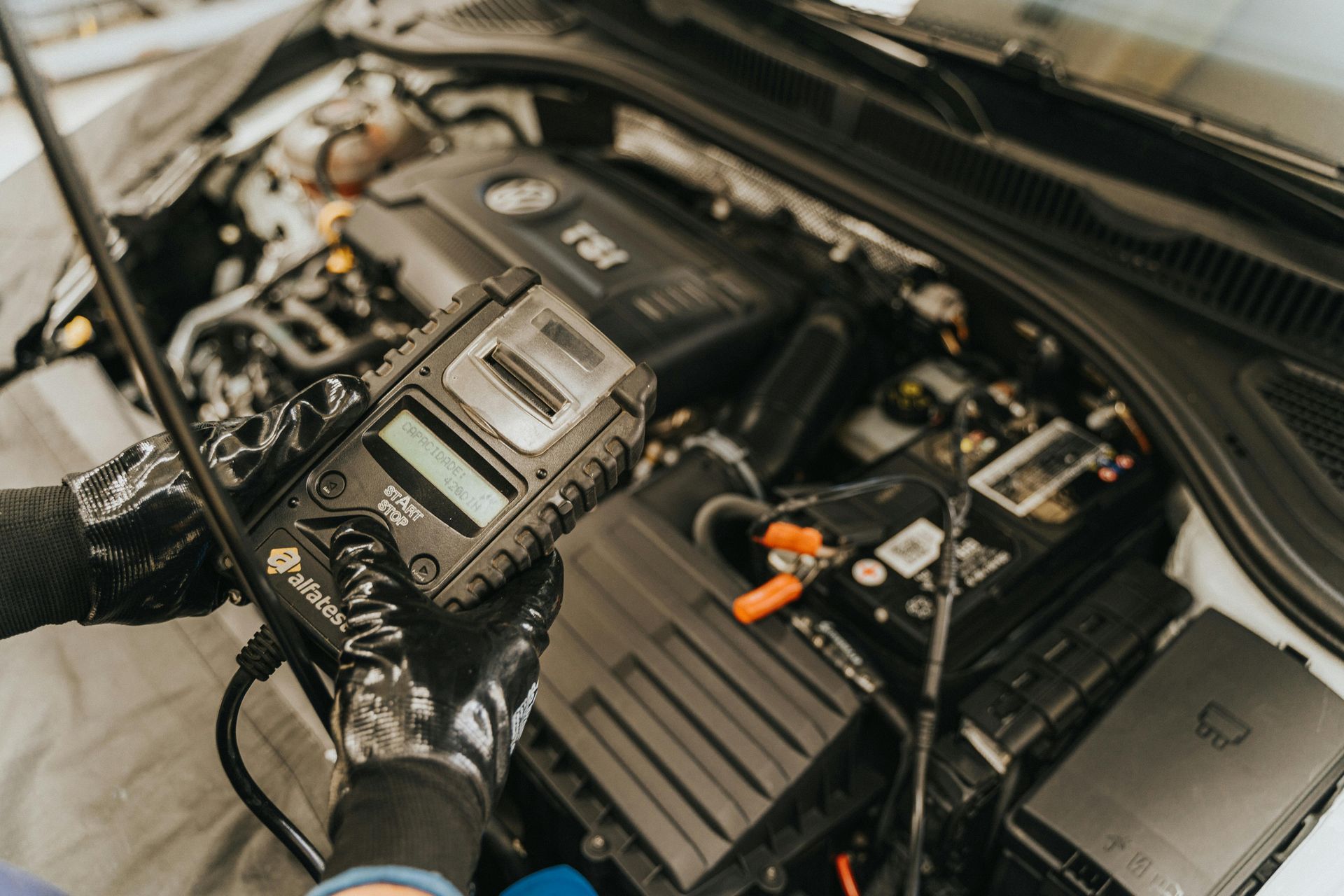
Is your Check Engine light on? Get professional engine diagnostics in New Brunswick, NJ. We use advanced scanners to find the real problem and save you money.
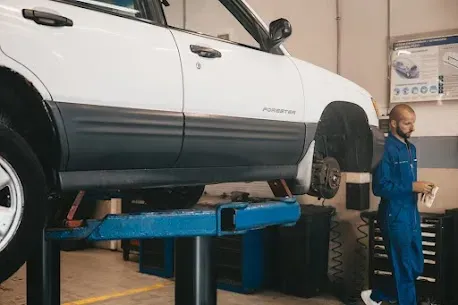
Need car repair in Brunswick? Arnold’s Auto Repair offers diagnostics, maintenance & body repair. Call now or book your service today.
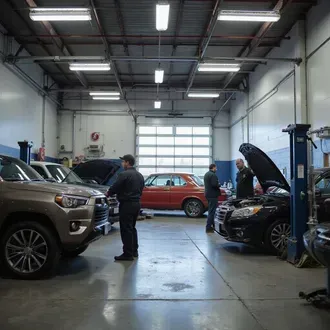
Need auto body repair in New Brunswick, NJ? Arnold’s Auto Repair helps restore damaged vehicles fast. Call now or book your inspection today.
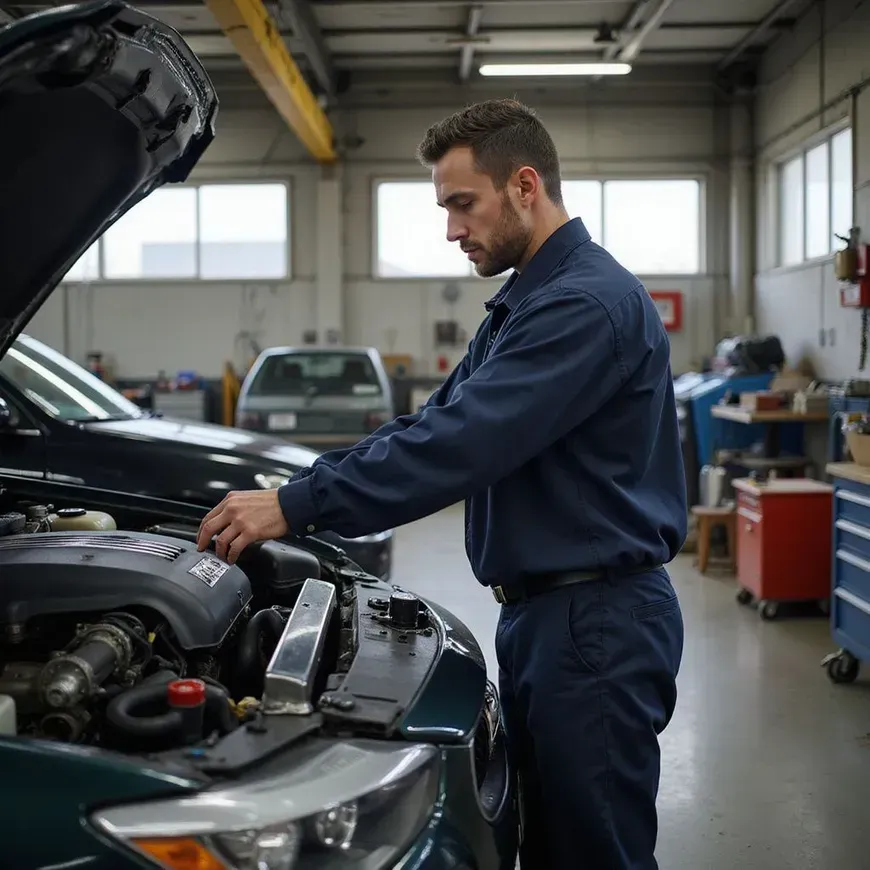
Need auto body repair in New Brunswick, NJ? Arnold’s Auto Repair fixes dents, panels & accident damage fast. Call now or book today.
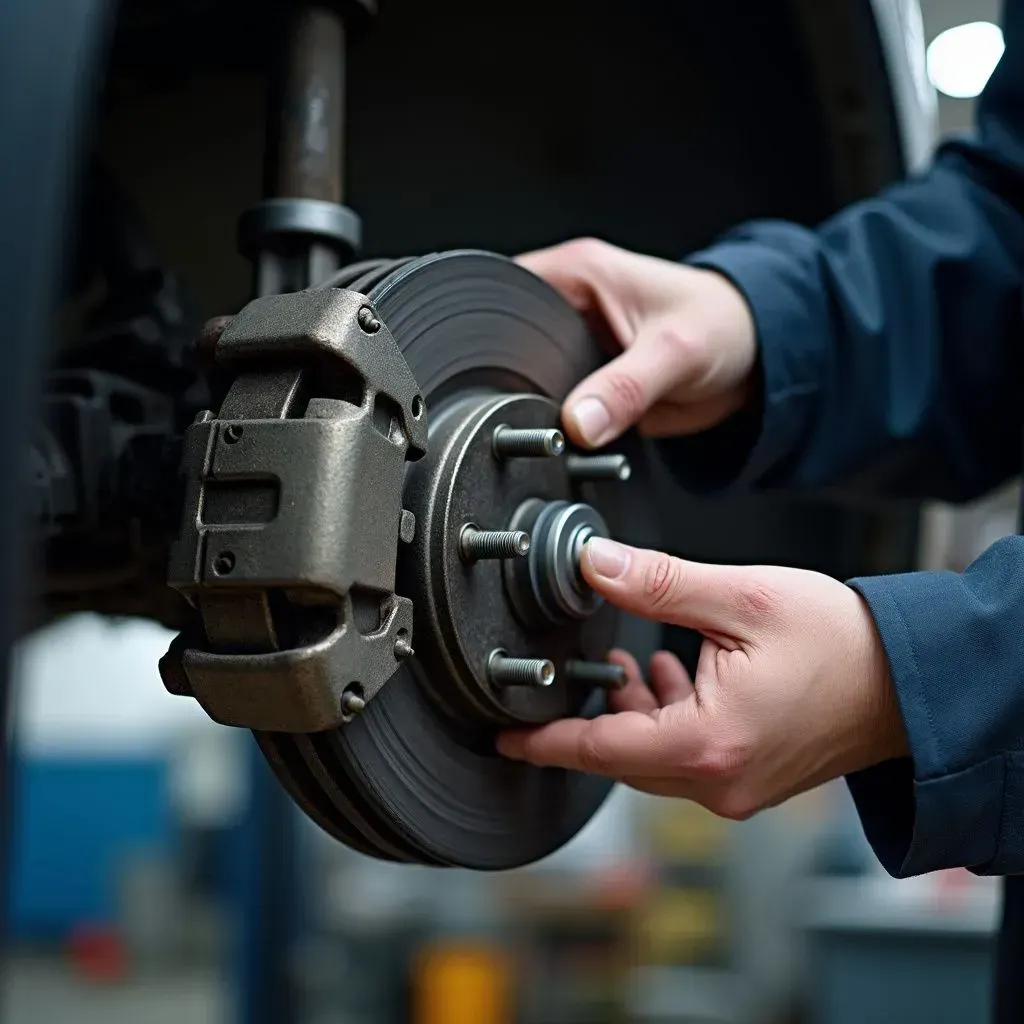
Need oil change services in New Brunswick, NJ? Arnold’s Auto Repair offers fast, affordable maintenance & full auto repair. Call or book now.
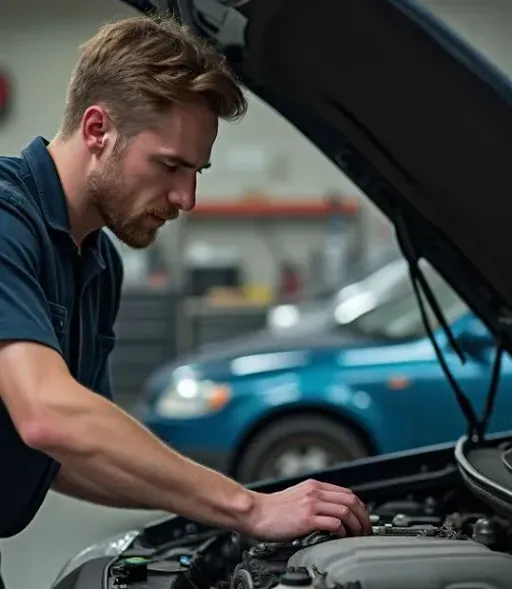
Need tire repair in New Brunswick, NJ? Arnold’s Auto Repair offers fast tire service, inspections & car repairs. Call now or book online.